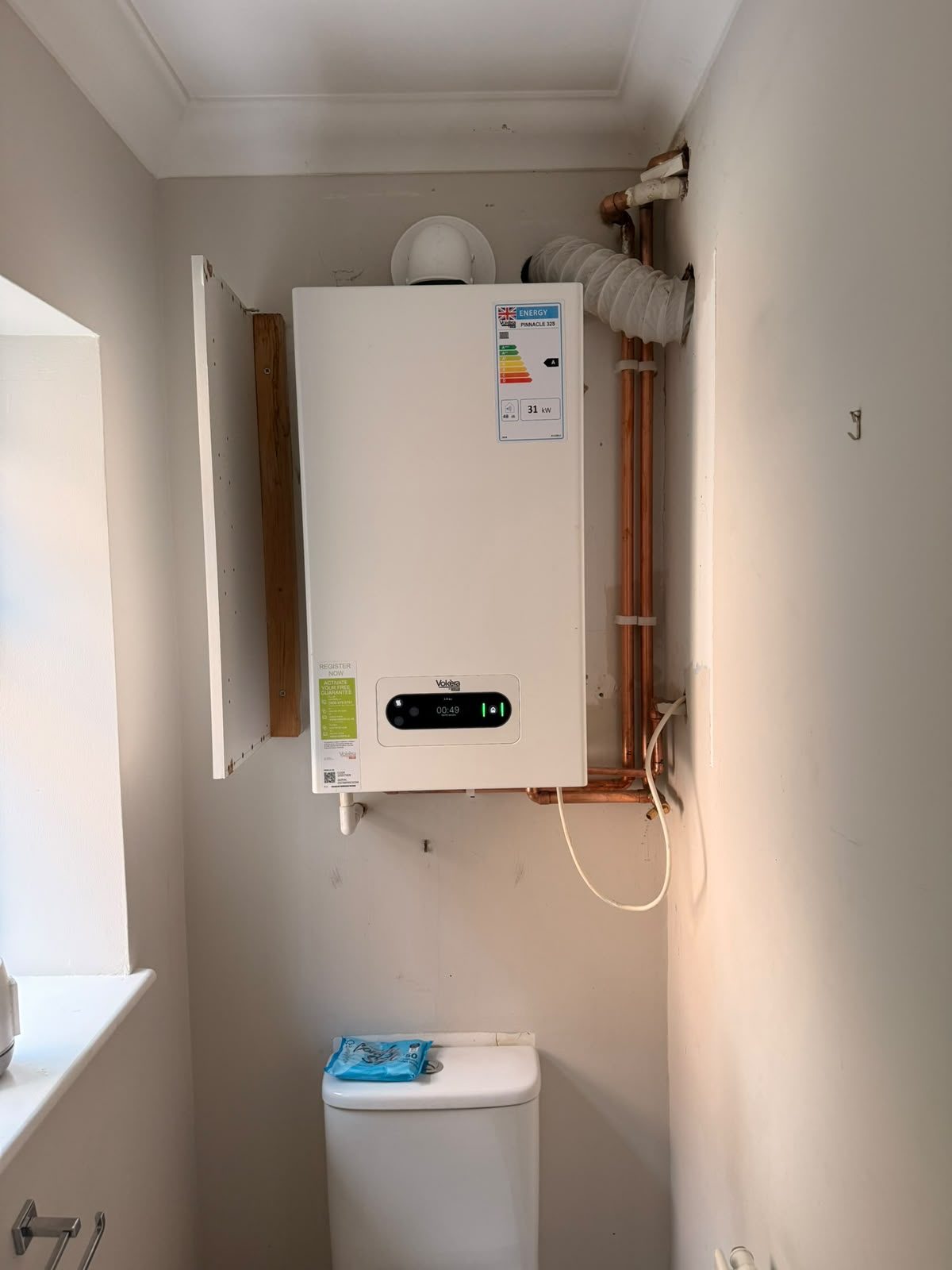
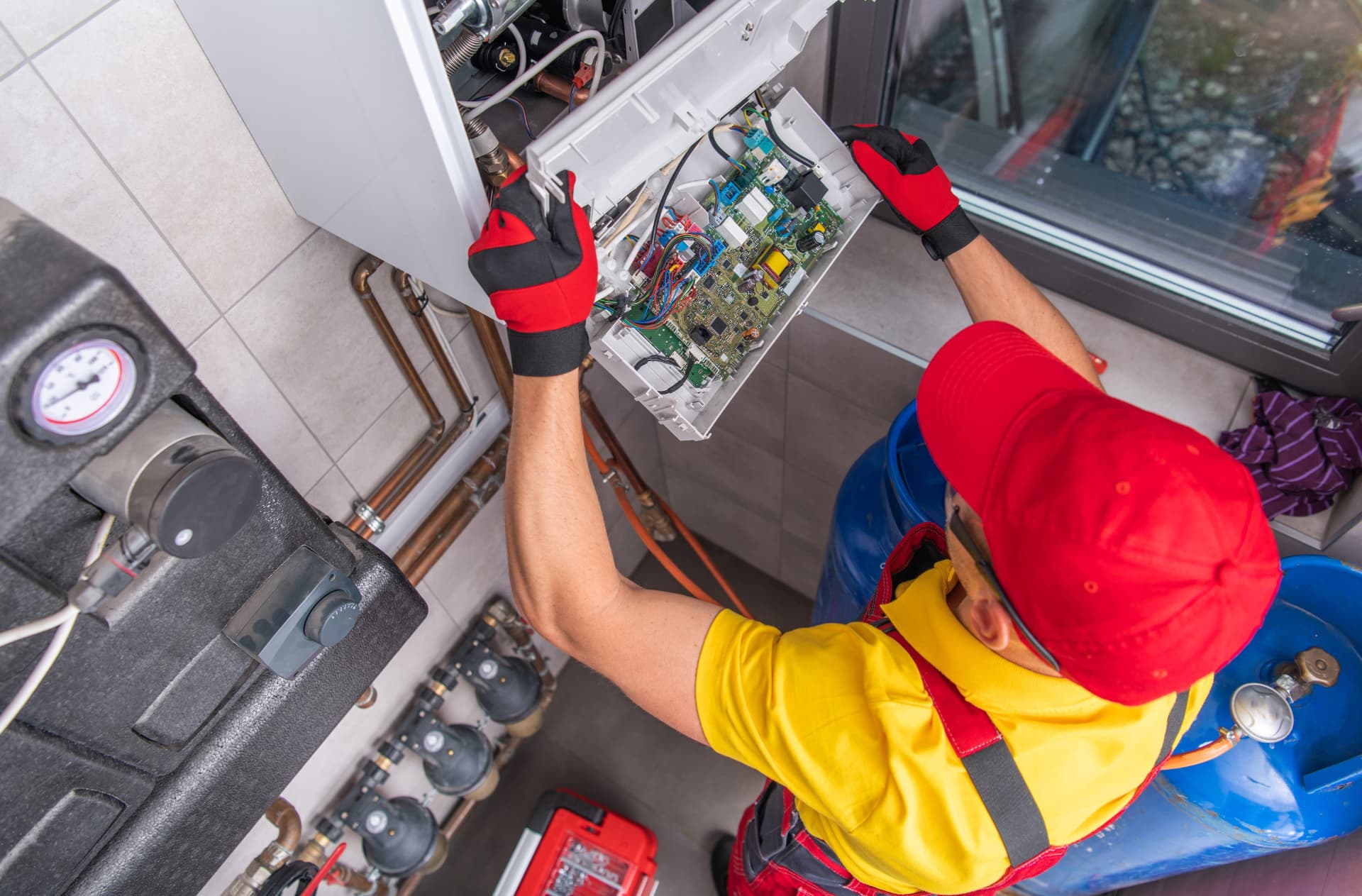
Maidenhead has changed shape considerably since the Elizabeth line arrived, with the station area and the streets around it seeing a wave of new apartment blocks aimed squarely at commuters. These buildings bring compact combi boilers fitted into utility cupboards, pressurised systems with little margin for error, and sometimes shared plant or risers depending on how the block was built, all of which need a plumber who understands modern flat plumbing rather than assuming every job is a house.
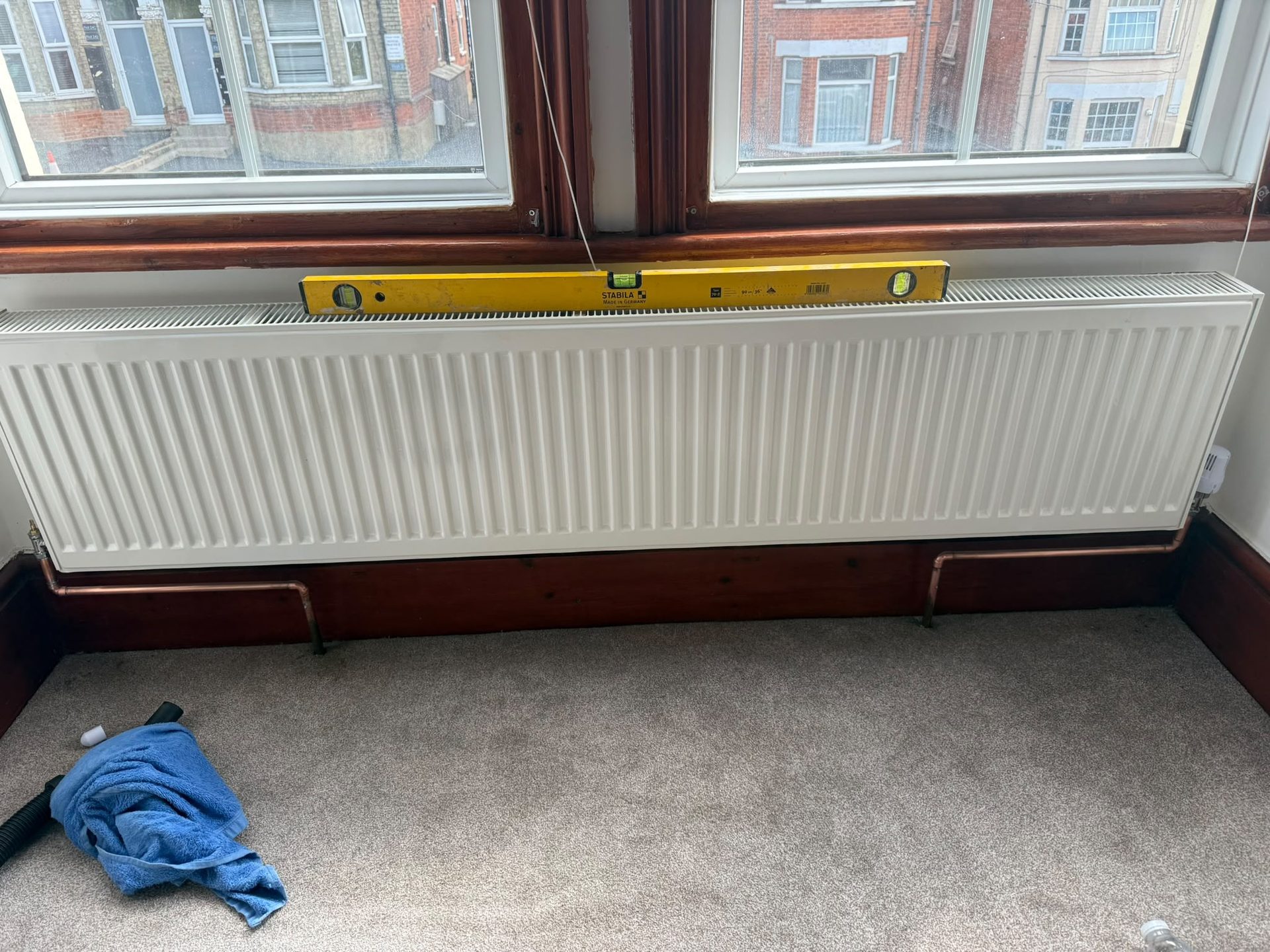
Away from the centre, much of Maidenhead's housing stock is 1930s semi-detached, spread across areas like Furze Platt, Cox Green, Pinkneys Green and Boyn Hill. These properties typically had heating retrofitted well after they were built, and many still carry pipework and radiator layouts from a mid-century upgrade rather than the original construction. Ageing boilers, sludged radiators and heating that never quite reaches the back of the house are common calls here.
The riverside itself is a distinct part of the town. Thames-side properties along Ray Mead Road and around Boulter's Lock and the towpath bring their own considerations: older, often larger houses with more elaborate heating and plumbing setups, higher humidity from the proximity to the river affecting pipework and external units, and in some cases flood-resilience considerations for anything installed at ground level.
Maidenhead town centre also has a mix of older housing above shops and long-standing residential streets that sit alongside the newer developments, meaning the range of property types we're called to on any given week is genuinely wide, from a brand-new apartment near the station needing a snagging fix, to a 1930s semi in Cox Green needing a full heating overhaul.
Whatever the property type, our approach in Maidenhead is the same as everywhere else we cover: diagnose the actual fault, quote a fixed price wherever possible, and back the work with a one-year workmanship guarantee.