Amersham is really two towns joined by a hill. Down in the valley, Old Amersham is a conservation area of timber-framed and Georgian brick buildings along the High Street, many listed, with plumbing and heating systems that have been retrofitted repeatedly over centuries of use. Up above, Amersham-on-the-Hill grew up around the Metropolitan line station in the early twentieth century and is largely 1930s semis and detached houses, later extended with postwar and modern infill.
Old Amersham's period buildings need a careful hand. Boiler flues and gas runs in listed or conservation-area properties often have to work around timber frames, low ceilings and walls that can't simply be chased without a conversation about what's structural and what isn't. We're used to working slowly and cleanly in these buildings rather than treating them like a standard semi.
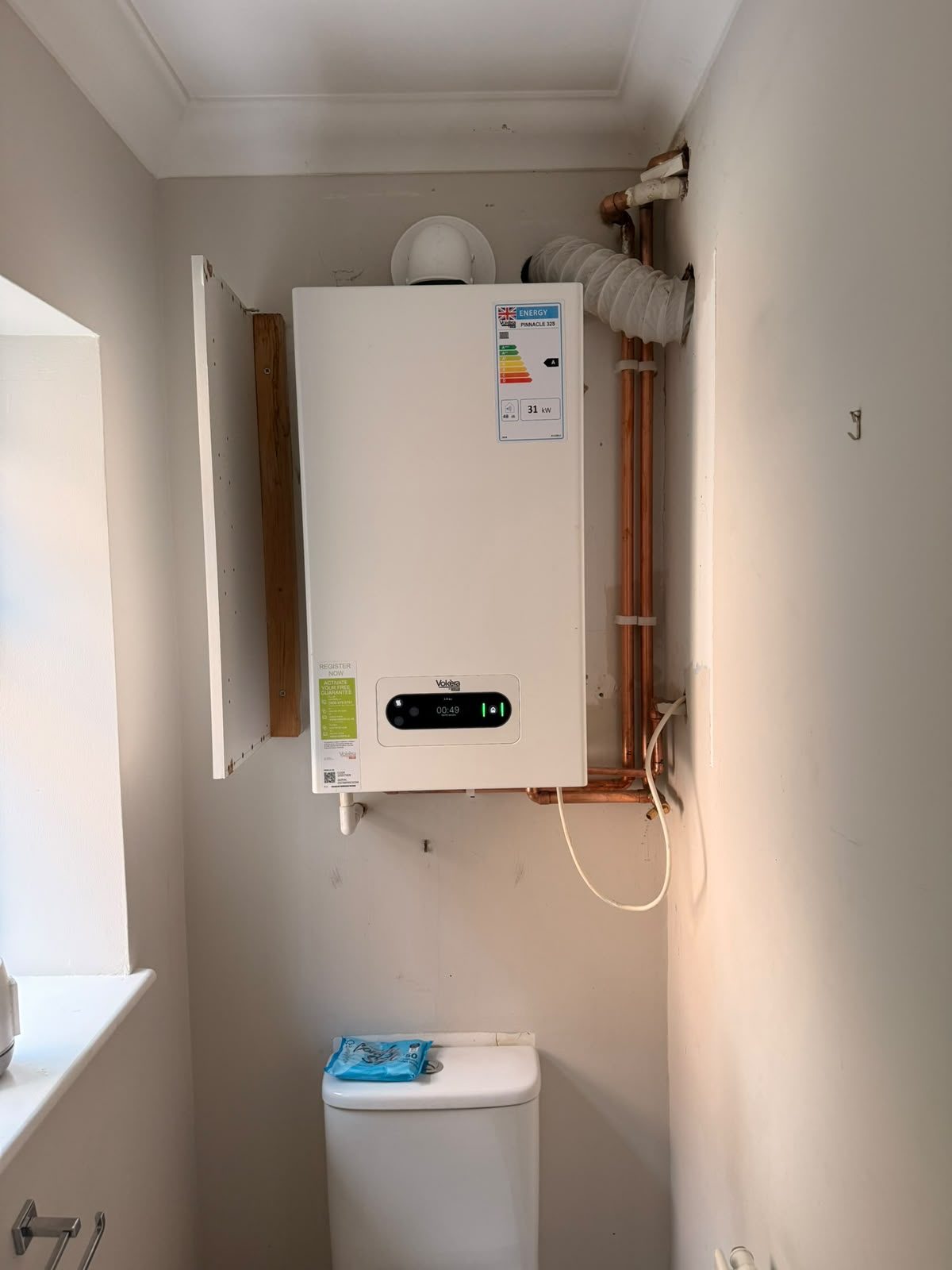
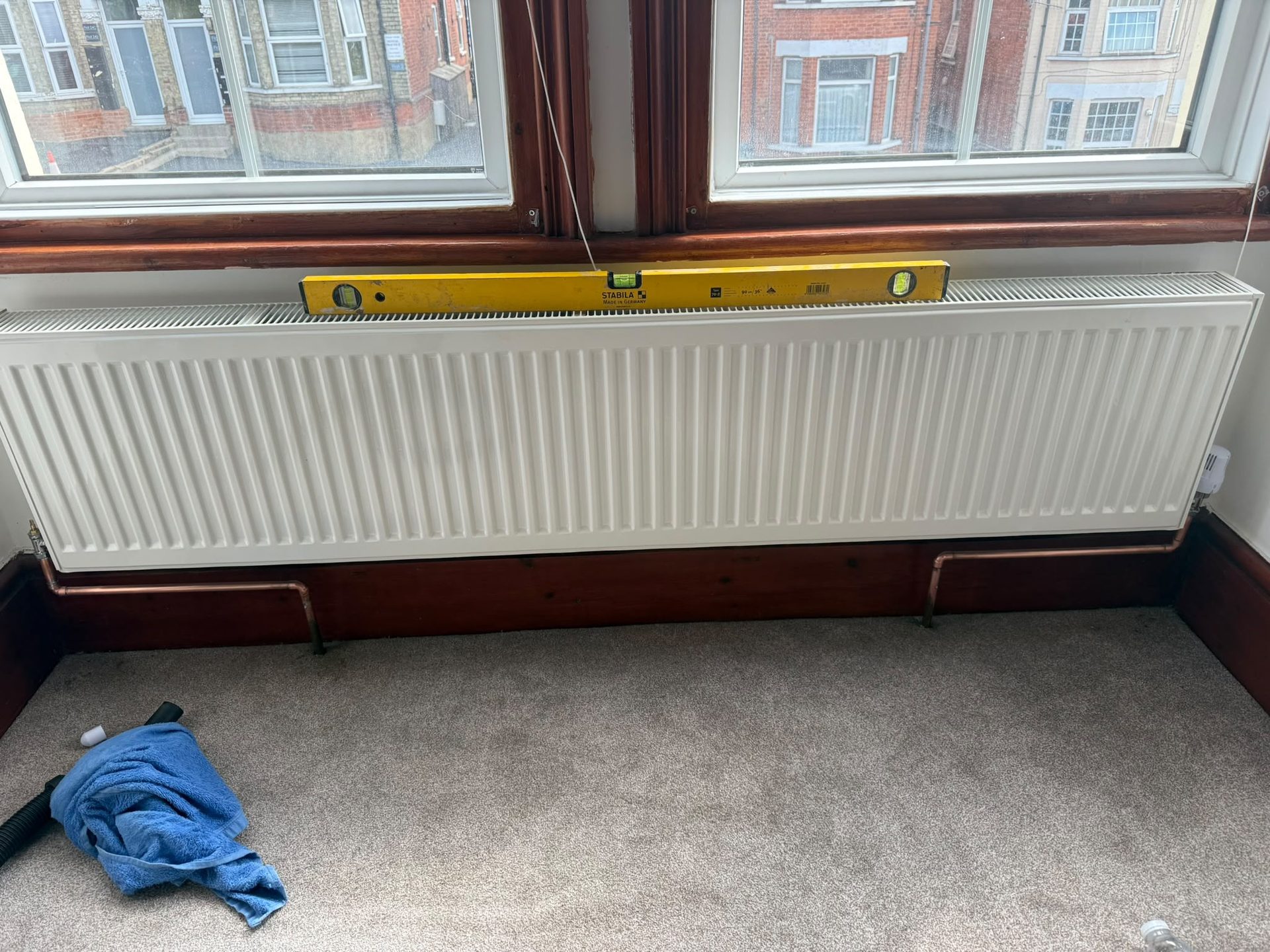
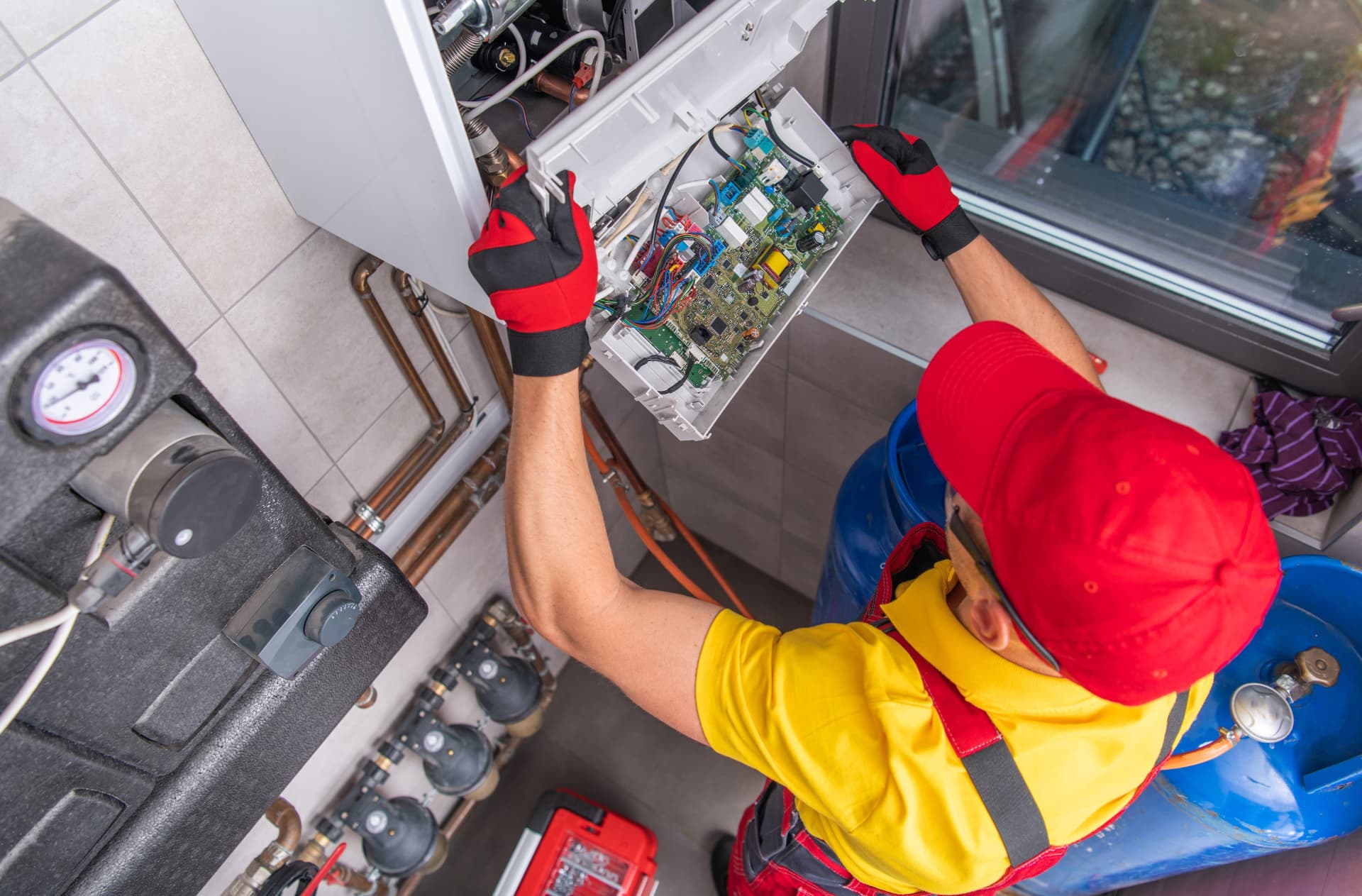
Amersham-on-the-Hill's 1930s stock is a different job entirely. These houses typically have larger radiator counts, original chimney breasts sometimes still in place from back-boiler days, and hot water cylinders that have usually been through at least one unvented conversion by now. Loft conversions are common on the hill, given the commuter appeal of the Metropolitan line, and each one changes the heating demand on a boiler that may already be twenty or more years old.
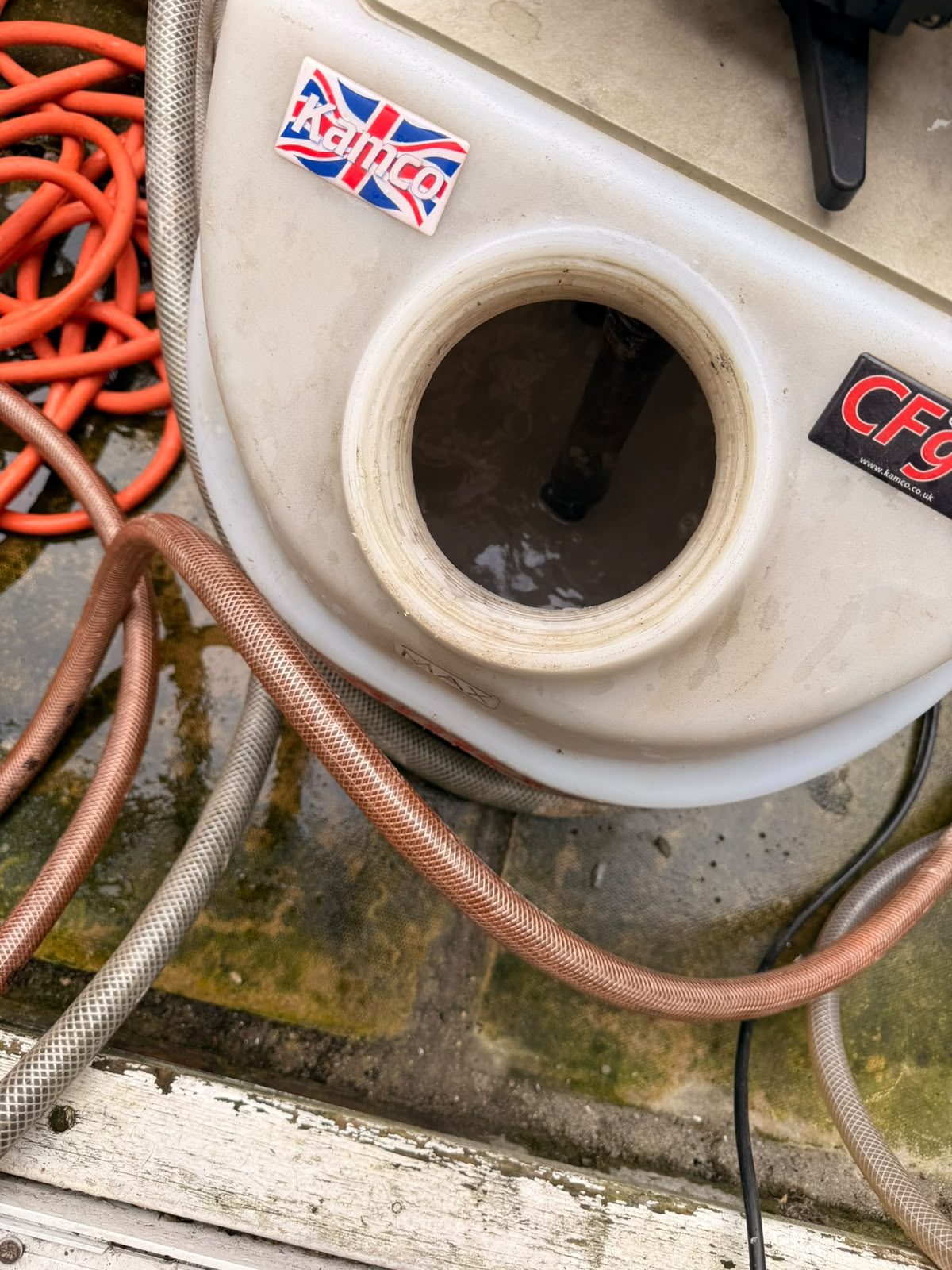
Amersham sits on Chilterns chalk like the rest of the district, which means hard water throughout both halves of town. Scale is a steady background problem in both the older cylinders down in the valley and the newer combi boilers on the hill, and it shows up as reduced hot water pressure or a boiler that short-cycles long before it fails outright.
Being a commuter town, a lot of households here want work scheduled around the working week and around trains, early starts, work finished before school pickup, that kind of practical scheduling, and we're happy to work around it rather than insist on a fixed slot.